Mzansi welcome mix

Mzansi Music Mix

South African culture is a mix — of languages, histories, places, people, struggle, joy and reinvention. This music reflects that: township classics, kwaito, Afro-pop, Afrikaans storytelling and rock, house, gqom, amapiano, Afro-soul, folk-pop and hip-hop all sharing the same road.

Mzansi is a popular, affectionate name for South Africa. It comes from isiXhosa/isiZulu roots meaning “south” or “down south.” Pronounce it roughly m-ZAHN-see — the first sound is a quick “m,” followed by “zahn-see.”

Listen on Spotify

Open the playlist in Spotify

Playlist

1
Johnny Clegg & Savuka — Great Heart album cover

Johnny Clegg & Savuka — Great Heart

Crossover rock / Zulu-influenced pop

Johnny Clegg’s music challenged apartheid-era cultural boundaries, blending rock with Zulu musical influences. “Great Heart” is uplifting and unmistakably South African.

  • Clegg first became famous with Juluka, an interracial band formed with Sipho Mchunu during apartheid, when such collaboration was politically charged.
  • Savuka continued that cross-cultural work and brought South African stories to large international audiences.
  • Lyric note: The lyrics are expansive and idealistic, using the “great heart” image to point toward courage, generosity and moral strength.
  • Performer note: Clegg was nicknamed the “White Zulu” after immersing himself in Zulu music, dance and language from a young age.
2
Miriam Makeba — Qongqothwane / The Click Song album cover

Miriam Makeba — Qongqothwane / The Click Song

Xhosa-rooted classic / global South African icon

Miriam Makeba took South African music to the world and became a powerful anti-apartheid voice in exile. This song showcases Xhosa clicks and a deep cultural lineage.

  • Makeba’s South African passport was revoked after she spoke internationally against apartheid; she lived in exile for decades.
  • She became the first African artist to win a Grammy, sharing the 1966 award for Best Folk Recording with Harry Belafonte.
  • Song note: Qongqothwane refers to a “knocking” beetle in Xhosa tradition. Makeba called it “The Click Song” for international audiences because many could not pronounce the Xhosa clicks in the title.
  • Lyric note: Makeba often introduced the song by explaining that the click sounds were the point of fascination for foreign audiences; the performance teaches listeners through sound as much as text.
  • Performer note: Makeba was nicknamed Mama Africa, and she helped make Xhosa click sounds familiar to audiences far beyond South Africa.
3
Mango Groove — Special Star album cover

Mango Groove — Special Star

Marabi-pop / pennywhistle pop

Mango Groove’s sunny, brass-and-pennywhistle sound is one of the most recognisable bridges between South African jazz traditions and pop. “Special Star” is pure uplift.

  • Mango Groove emerged in the 1980s as a multiracial band during the late apartheid years, making their joyful crossover sound culturally significant as well as catchy.
  • “Special Star” celebrates the pennywhistle/marabi lineage associated with artists like Spokes Mashiyane, one of South Africa’s great pennywhistle figures.
  • Lyric note: The lyrics are bright and affectionate, but the pennywhistle-and-brass arrangement is what makes the words feel celebratory rather than sentimental.
  • Performer note: Lead singer Claire Johnston joined Mango Groove as a teenager, and her bright voice became central to the band’s signature sound.
4
Mandoza — Nkalakatha album cover

Mandoza — Nkalakatha

Kwaito

A national anthem of confidence and crossover appeal. Mandoza’s huge hit carried kwaito into broader South African popular culture and still lights up a room.

  • Mandoza crossed racial and class boundaries at a time when South African pop audiences were still often divided.
  • “Nkalakatha” became a stadium and party anthem and remains one of kwaito’s clearest crossover moments.
  • Song note: Nkalakatha is township slang associated with being the boss, top dog or big champion. That is why the song lands like a confidence anthem.
  • Lyric note: The lyrics are pure confidence and township bravado — the kind of words that make sense shouted by a crowd even if not everyone knows every line.
  • Performer note: Mandoza’s “Nkalakatha” became one of those rare songs embraced in taverns, taxis, clubs and sports stadiums alike.
5
Mafikizolo — Khona album cover

Mafikizolo — Khona

Afro-pop / house-pop

A bright opener from one of South Africa’s most loved Afro-pop groups. Mafikizolo’s sound bridges township pop, house rhythms and polished contemporary radio energy.

  • Mafikizolo formed in the 1990s and survived tragedy when member Tebogo Madingoane was killed in 2004; the group later returned with major success.
  • “Khona” arrived during a wave of South African house-influenced pop that travelled well across the continent.
  • Song note: In Nguni-language usage, khona can carry the sense of “there / present / it is there.” The song’s hook works less like a literal sentence for outsiders and more like a joyful call to presence and celebration.
  • Lyric note: The lyrics work like a dance-floor invitation: short, repeated phrases, romantic energy and a hook designed more for movement than for a long story.
  • Performer note: Mafikizolo’s name is often understood as “new kids/newcomers,” and their visual style is famous for mixing modern pop with glamorous township-retro fashion.
6
Hugh Masekela — Grazing in the Grass album cover

Hugh Masekela — Grazing in the Grass

Jazz / township jazz / instrumental pop

A joyful brass classic from one of South Africa’s greatest musicians. Hugh Masekela’s trumpet carries township jazz, exile-era longing and a bright, globally irresistible groove.

  • “Grazing in the Grass” reached No. 1 on the US Billboard Hot 100 in 1968, making Masekela one of the first South African artists to top the American pop chart.
  • Masekela spent many years in exile during apartheid and became a major musical voice for South African freedom and memory.
  • Song note: This one is instrumental, so there is no language barrier: the “meaning” is in the trumpet line and the relaxed, sunny groove. The tune was originally written by Philemon Hou and made famous by Masekela’s recording.
  • Lyric note: There are no lyrics in Masekela’s famous version; the trumpet carries the “voice,” which is part of why the track travels so easily across countries and languages.
  • Performer note: Masekela was affectionately known as Bra Hugh; as a young musician, anti-apartheid priest Trevor Huddleston helped him get a trumpet connected to Louis Armstrong.
7
Jack Parow — Biscuits en Biltong album cover

Jack Parow — Biscuits en Biltong

Afrikaans rap

Jack Parow adds humour, swagger and Cape/Afrikaans rap attitude. This track leans into local references and gives the playlist a cheeky personality shift.

  • The track features David Kramer, making it a fun bridge between older Afrikaans storytelling and newer Afrikaans rap.
  • Jack Parow’s comic exaggeration and Cape slang made Afrikaans rap feel irreverent and contemporary.
  • Song note: Biltong is South Africa’s beloved dried, cured meat snack. The title mixes everyday food with Afrikaans rap humour, so it feels proudly local before the song even starts.
  • Lyric note: The lyrics lean into comic local swagger: food references, Afrikaans slang and intentionally over-the-top South African personality rather than polished pop romance.
  • Performer note: Jack Parow’s absurdly long peak cap became part of his comic, larger-than-life zef-rap identity.
8
Zahara — Loliwe album cover

Zahara — Loliwe

Afro-soul

Zahara’s guitar-led voice became one of South Africa’s defining modern soul sounds. “Loliwe” is tender, spiritual and widely loved.

  • Zahara’s debut “Loliwe” became one of South Africa’s major 2010s albums and made her a household name.
  • Her guitar-led style connected church, folk and Afro-soul traditions.
  • Song note: Loliwe means “train” in isiXhosa. The song is often heard as a journey song, using the train image for movement, longing and spiritual/emotional travel.
  • Lyric note: The lyrics are often heard as spiritual and reflective, using the journey image to suggest perseverance, longing and hope rather than a straightforward pop love story.
  • Performer note: Zahara was born Bulelwa Mkutukana and was known for making her guitar feel almost like a second voice in her songs.
9
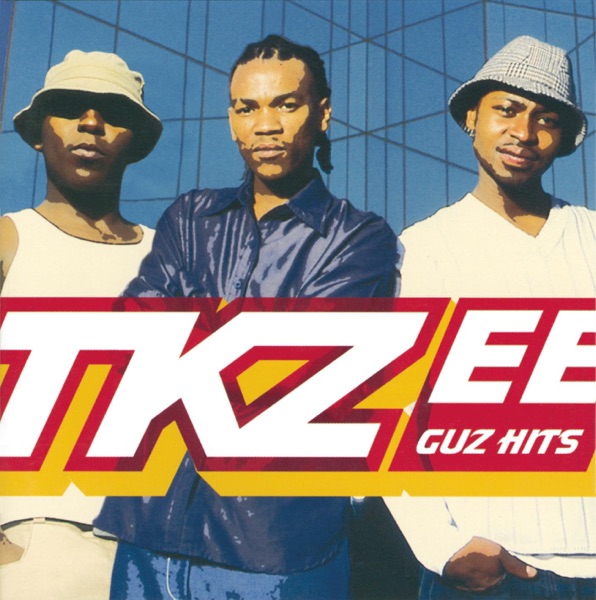
TKZee — Shibobo album cover

TKZee — Shibobo

Kwaito

A must-have kwaito anthem. TKZee helped define the confident, urban post-apartheid youth sound of the late 1990s, mixing township slang, football culture and dance grooves.

  • Kwaito grew from township street culture in the 1990s, slowing house beats down and mixing them with local languages and slang.
  • “Shibobo” references football culture and the excitement around South Africa’s early post-apartheid sporting identity.
  • Song note: Shibobo is South African football slang for a nutmeg: slipping the ball through an opponent’s legs. That is why the track feels tied to soccer swagger and street celebration.
  • Lyric note: The lyrics are built for crowd response: football slang, chant-like repetition and party confidence, which is why the song feels stadium-ready.
  • Performer note: TKZee’s name comes from the members’ names: Tokollo, Kabelo and Zwai.
10
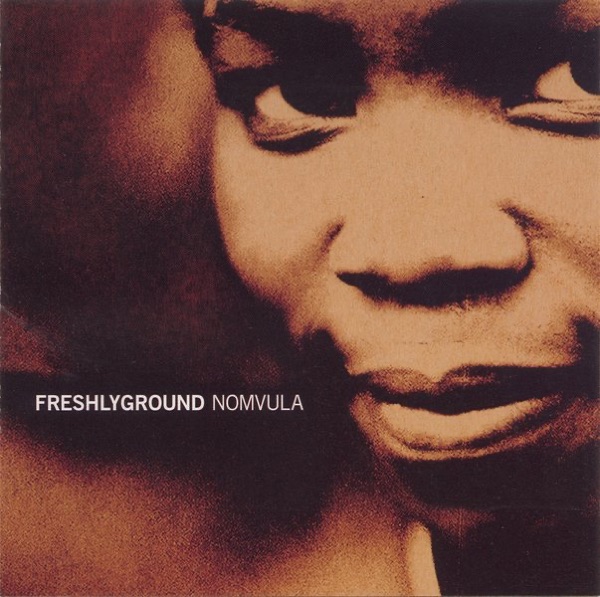
Freshlyground — I’d Like album cover

Freshlyground — I’d Like

Afro-fusion / acoustic pop

A gentler Freshlyground moment from Nomvula. “I’d Like” shows the band’s softer, melodic side: warm vocals, acoustic textures and the cross-cultural Cape Town spirit that made them beloved.

  • Nomvula helped push Freshlyground from local favourite to national phenomenon in the mid-2000s.
  • The band’s mix of pop, folk, jazz and African instrumentation made them one of the clearest musical symbols of post-apartheid South African optimism.
  • Lyric note: The lyrics are simple and intimate, built around a gentle romantic wish rather than the big communal singalong feeling of “Doo Be Doo.”
  • Performer note: Freshlyground’s lineup mixed instruments you do not always hear together in pop — including violin, flute and traditional African textures.
11
Black Coffee — Superman album cover

Black Coffee — Superman

South African house · studio version from Home Brewed

Black Coffee is one of South Africa’s biggest global dance-music exports. “Superman” is a soulful example of SA house’s emotional depth; this points to the studio version rather than a live recording.

  • Black Coffee helped push South African house into global club culture while keeping a distinctly local sense of rhythm and mood.
  • Bucie’s vocals are central to several SA house classics, giving the genre emotional warmth as well as dance-floor power.
  • Lyric note: The lyric theme is devotion and emotional support — the “superman” idea is less comic-book hero and more “the person who shows up for you.”
  • Performer note: Black Coffee performs and DJs with one working arm after a childhood accident, which became part of his remarkable live-performance story.
12
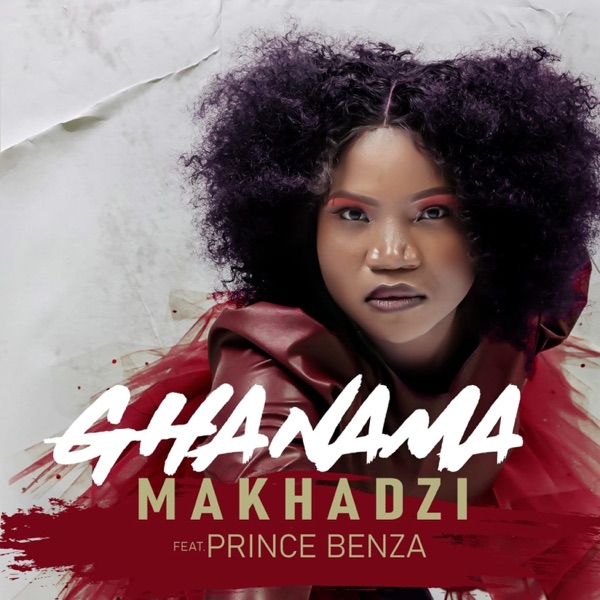
Makhadzi — Ghanama album cover

Makhadzi — Ghanama

Venda/Limpopo pop

Makhadzi brings Venda and Limpopo sounds into the national mainstream with huge charisma and dance energy. Her music expands the playlist beyond the usual Joburg/Cape/Durban axis.

  • Makhadzi sings in Tshivenda and has helped bring Venda/Limpopo music into the national mainstream.
  • Her rise is a reminder that South African pop is not only Johannesburg, Cape Town and Durban — regional scenes matter deeply.
  • Song note: The title works like a high-energy Limpopo/Venda dance-pop chant more than a neat phrase to translate. For non-speakers, the important thing is the call-and-response momentum and dance command.
  • Lyric note: The vocal lines function like dance commands and chant hooks; even without catching every word, you can hear the song pushing bodies into motion.
  • Performer note: Makhadzi first built her reputation through high-energy dance performance before becoming one of Limpopo’s biggest national stars.
13
Mi Casa — Mamela album cover

Mi Casa — Mamela

House-pop / Afro-pop

“Mamela” is a warm, polished Mi Casa track that keeps their signature live-band house feel while leaning into a smooth, singable Afro-pop groove.

  • Mi Casa formed in Johannesburg and built a sound around live performance: trumpet, vocals and DJ/production.
  • “Mamela” means “listen” in several Nguni languages, which makes it a lovely invitation into the song.
  • Song note: Mamela means “listen” in Sesotho/Setswana/Sepedi. As a title, it feels like an invitation: pause, listen, and lean into the groove.
  • Lyric note: The lyrics centre on asking someone to listen — fitting for a smooth, persuasive love song where the groove does some of the pleading too.
  • Performer note: Mi Casa means “my house” in Spanish — fitting for a band whose sound invites everyone onto the dance floor.
14
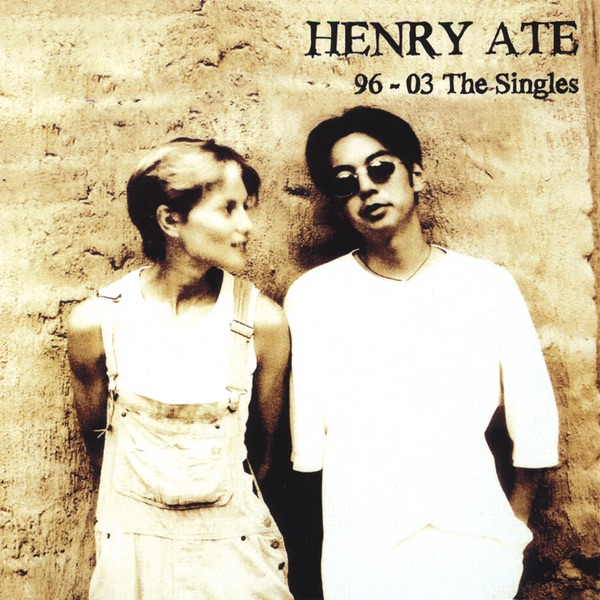
Henry Ate — Just album cover

Henry Ate — Just

Alternative rock / 1990s SA rock

Henry Ate brings in the 1990s South African alternative-rock lane: melodic, guitar-led and radio-friendly without losing its indie edge.

  • Fronted by Karma-Ann Swanepoel, Henry Ate became one of South Africa’s standout alternative acts in the mid-to-late 1990s.
  • “Just” is one of those local rock songs many South Africans of a certain generation instantly recognise from radio and mixtapes.
  • Lyric note: The lyrics are direct and emotionally plain-spoken, matching the 1990s alternative-rock habit of making vulnerability sound casual rather than theatrical.
  • Performer note: Despite the name, Henry Ate is not a man called Henry — it is the band led by singer-songwriter Karma-Ann Swanepoel.
15
Brenda Fassie — Vulindlela album cover

Brenda Fassie — Vulindlela

Township pop / Afro-pop

Brenda Fassie, often called the “Madonna of the Townships,” is central to South African pop history. “Vulindlela” remains a wedding, celebration and family-party staple.

  • Brenda Fassie became a voice of township life from the 1980s onward and was one of the country’s most magnetic pop stars.
  • “Vulindlela” is often heard at weddings and family celebrations; its title is commonly understood as “open the way.”
  • Song note: Vulindlela means “open the way” in isiZulu. The song is strongly associated with wedding celebration and the feeling of making way for joy.
  • Lyric note: The lyrics tell a celebratory family/wedding-style story: make way, something joyful is happening, and everyone is invited into the moment.
  • Performer note: Brenda Fassie’s nickname was MaBrrr, and her charisma made her one of the most recognisable South African stars of her era.
16
Kabza De Small & DJ Maphorisa ft. Samthing Soweto — Amantombazane album cover

Kabza De Small & DJ Maphorisa ft. Samthing Soweto — Amantombazane

Amapiano

Kabza De Small and DJ Maphorisa helped bring amapiano from township scenes to global stages. This track captures the genre’s log drums, groove and communal feel.

  • Amapiano grew around Gauteng townships and online circulation before becoming a global phenomenon.
  • Kabza De Small is often called the “King of Amapiano,” while DJ Maphorisa helped connect the sound to broader African pop networks.
  • Song note: Amantombazane means “girls” or “young women” in isiZulu. In the amapiano context, the word becomes part of a social, dance-floor call rather than a formal lyric to translate line by line.
  • Lyric note: The lyrics are secondary to the amapiano groove: repeated vocal phrases create atmosphere and social energy, like conversation fragments on a dance floor.
  • Performer note: Kabza De Small’s “King of Amapiano” nickname is not just hype — his huge catalogue helped define the sound’s log-drum language.
17
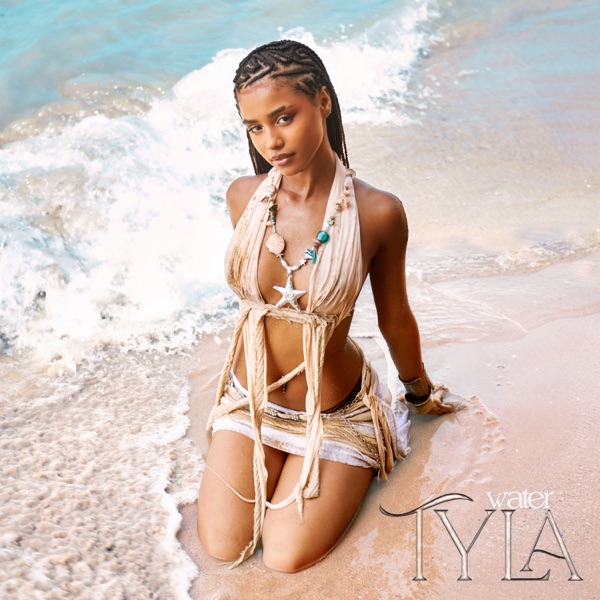
Tyla — Water album cover

Tyla — Water

Popiano / amapiano-inflected pop / R&B

Tyla brings a new Johannesburg pop voice into the mix. “Water” blends R&B and global pop with amapiano-inspired swing, log-drum feel and dance-floor sensuality.

  • Tyla won the inaugural Grammy Award for Best African Music Performance in 2024 for “Water,” making her one of South Africa’s most visible new global stars.
  • In South Africa, “Coloured” is a specific community identity with its own history and culture; Tyla is often discussed in that South African context, not in the American sense of the word.
  • Lyric note: The lyrics are sensual and body-focused, with dance and desire blended into one image; it is catchy, but definitely more grown-up than a children’s singalong.
  • Performer note: “Water” became a viral dance phenomenon online before and during its Grammy-winning run, helping carry South African popiano to global audiences.
18
Big Nuz — Umlilo album cover

Big Nuz — Umlilo

Durban kwaito / party music

Big Nuz represent Durban’s rowdy, celebratory club energy. “Umlilo” brings township party feeling and a bridge toward later Durban-born dance styles.

  • Big Nuz were closely associated with Durban and Afrotainment, the label connected to DJ Tira.
  • Durban’s party sound helped set the stage for later gqom dominance.
  • Song note: Umlilo means “fire” in isiZulu and isiXhosa. It is a perfect title for a Durban party track: heat, energy and a room catching alight.
  • Lyric note: The lyrics use “fire” energy as party fuel: repetition, heat and hype, with the voices acting almost like MCs driving a packed room.
  • Performer note: Big Nuz were closely linked to Durban’s Afrotainment scene, a powerhouse for party music and club personalities.
19
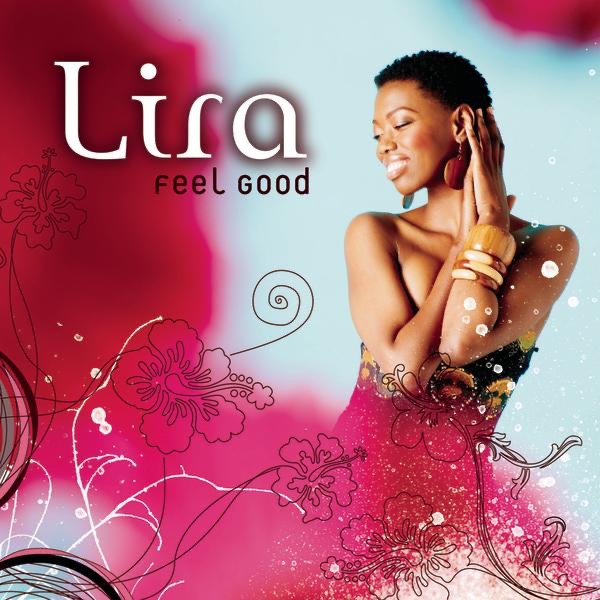
Lira — Feel Good album cover

Lira — Feel Good

Afro-soul / pop

Lira’s uplifting, polished Afro-soul brings warmth and optimism. This is a great palate-cleanser after heavier or more percussive tracks.

  • Lira became one of South Africa’s leading modern Afro-soul artists, known for elegance and uplift rather than only dance-floor energy.
  • She also performed at major national moments, including the 2010 FIFA World Cup concert era.
  • Lyric note: The lyrics are intentionally uplifting and uncomplicated — a positive affirmation song where the message is right there in the title and chorus mood.
  • Performer note: Lira was born Lerato Molapo; “Lerato” means “love” in Sesotho, which suits her warm, uplifting sound.
20
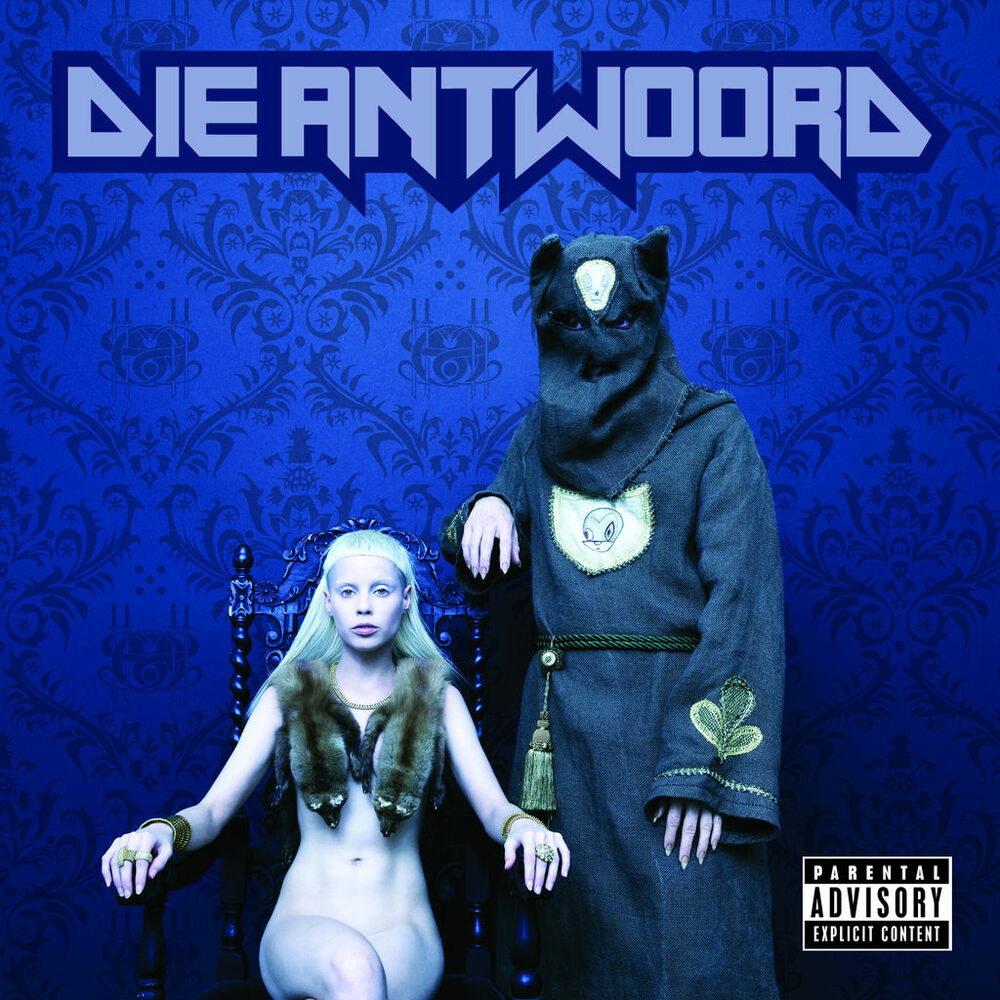
Die Antwoord — Enter The Ninja album cover

Die Antwoord — Enter The Ninja

Zef rap-rave / alternative hip-hop

Die Antwoord are a provocative and controversial export, but their “zef” rap-rave aesthetic became globally recognisable. This track captures that abrasive, theatrical side of South African pop culture.

  • “Enter The Ninja” went viral internationally in 2010 and introduced many outside South Africa to the group’s exaggerated zef persona.
  • They are influential but also controversial, so this is best framed as one snapshot of South African pop-cultural provocation rather than a simple national anthem.
  • Lyric note: The lyrics are deliberately aggressive, profane and persona-driven; the words are part of the group’s shock-the-room theatre, not a gentle introduction to SA music.
  • Performer note: Die Antwoord means “The Answer” in Afrikaans, and the group built an entire visual world around exaggerated zef style.
21
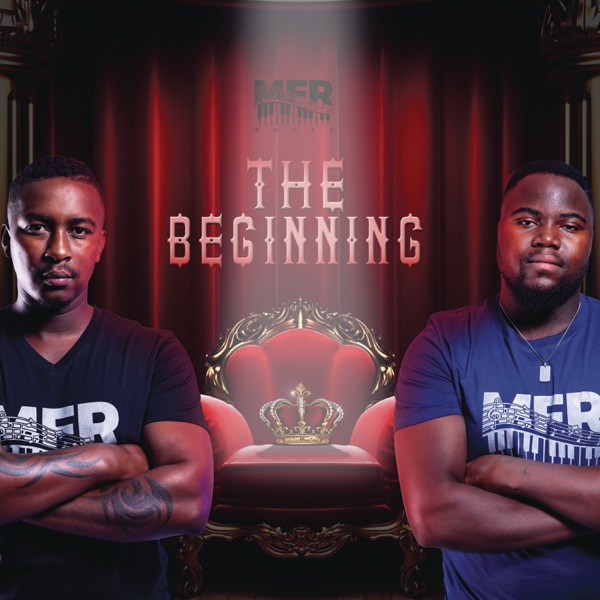
MFR Souls ft. Sha Sha — Love You Tonight album cover

MFR Souls ft. Sha Sha — Love You Tonight

Amapiano

A smoother amapiano crossover featuring Sha Sha, whose vocals helped soften the genre’s edges for broader audiences while keeping the groove intact.

  • MFR Souls were early amapiano standard-bearers, helping define the style before it became a worldwide export.
  • Sha Sha, born in Zimbabwe and based in South Africa, reflects how Southern African artists often shape South African scenes together.
  • Lyric note: The lyrics sit in a romantic late-night space; Sha Sha’s vocal texture is as important as the literal words, softening the beat into something dreamy.
  • Performer note: MFR Souls are often credited among amapiano’s early architects, shaping the sound before it became a worldwide dance craze.
22
Fokofpolisiekar — Hemel op die Platteland album cover

Fokofpolisiekar — Hemel op die Platteland

Afrikaans rock

Fokofpolisiekar reshaped Afrikaans rock in the 2000s with raw, questioning energy. This track captures a generation wrestling with identity, language and belonging.

  • The band’s name itself was controversial, signalling a break with conservative Afrikaans respectability politics.
  • Their early-2000s rise helped open space for alternative Afrikaans rock after the end of apartheid.
  • Song note: In Afrikaans, Hemel op die Platteland means “heaven in the countryside.” The title plays with nostalgia, small-town identity and disillusionment rather than simple pastoral sweetness.
  • Lyric note: The lyrics carry the band’s classic tension: nostalgia, faith, small-town life and disillusionment rubbing against each other rather than resolving neatly.
  • Performer note: Several members became major figures beyond the band too, especially Francois van Coke in Afrikaans rock and solo music.
23
Sjava — Umama album cover

Sjava — Umama

Afro-soul / hip-hop

Sjava blends singing, rap, maskandi influence and deep emotional storytelling. “Umama” is heartfelt, intimate and strongly grounded in language and family.

  • Sjava’s music often uses isiZulu storytelling and draws from maskandi, soul and hip-hop textures.
  • He became internationally visible through “Seasons” on the Black Panther soundtrack, while remaining strongly rooted in South African idiom.
  • Song note: Umama means “mother” in isiZulu/isiXhosa. The song is a tribute to motherhood, family sacrifice and gratitude.
  • Lyric note: The lyrics are a tribute to a mother figure, with gratitude and regret sitting close together — a very South African example of hip-hop/soul as family testimony.
  • Performer note: Before becoming widely known as a musician, Sjava also worked as an actor in South African television drama.
24
Prince Kaybee ft. Busiswa & TNS — Banomoya album cover

Prince Kaybee ft. Busiswa & TNS — Banomoya

Dance / house

Prince Kaybee’s production, Busiswa’s command and TNS’s energy make this a big-room South African dance track with strong local flavour and instant momentum.

  • Busiswa’s performance style connects club music to spoken-word energy, dance and command of the crowd.
  • Prince Kaybee is part of a generation that kept South African house central even as amapiano rose.
  • Song note: Banomoya roughly carries the sense of “they have spirit.” It fits the song’s spiritual, energising dance feel.
  • Lyric note: The lyrics and chants create a spiritual-party feeling: Busiswa’s delivery turns short phrases into commands, blessings and dance prompts.
  • Performer note: Prince Kaybee broke through nationally after winning the South African DJ/producer competition 1s and 2s.
25
David Kramer — Meisie Sonder Sokkies album cover

David Kramer — Meisie Sonder Sokkies

Cape/Afrikaans storytelling

Another Kramer classic that adds humour, local colour and acoustic warmth. It gives the playlist a very South African narrative tradition alongside the dance tracks.

  • Kramer’s characters often feel ordinary, funny and recognisable — a contrast to more polished pop mythology.
  • His songs are part of a long South African tradition of storytelling through place, accent and social observation.
  • Song note: In Afrikaans, Meisie Sonder Sokkies means “girl without socks.” It is the kind of small, vivid detail Kramer uses to sketch a whole character.
  • Lyric note: The lyrics are character-driven storytelling: Kramer notices small details and lets them suggest a whole person, place and social world.
  • Performer note: Kramer has a gift for making tiny details — shoes, towns, accents, hotel rooms — feel like whole South African short stories.
26
GoodLuck — Back in the Day album cover

GoodLuck — Back in the Day

Electronic pop

GoodLuck represent South Africa’s polished electronic-pop side: summery, accessible and festival-friendly, with a clean international sheen.

  • GoodLuck are associated with sunny South African electronic pop and live-band dance performance.
  • Their style reflects a more global, festival-facing side of post-2010 South African pop.
  • Lyric note: The lyrics are nostalgic, looking backward without getting heavy; the production keeps the memory sunny and danceable.
  • Performer note: GoodLuck often perform electronic music like a live band, bringing vocals and instruments into a space usually dominated by DJs.
27
Sun-El Musician ft. Samthing Soweto — Akanamali album cover

Sun-El Musician ft. Samthing Soweto — Akanamali

Afro-house

A modern classic of South African Afro-house. Sun-El’s spacious production and Samthing Soweto’s voice show how emotional, melodic and expansive the genre can be.

  • Sun-El Musician’s “Africa to the World” era helped define a lush, melodic Afro-house sound.
  • Samthing Soweto moved through a cappella, soul and amapiano-adjacent scenes, becoming one of South Africa’s distinctive modern voices.
  • Song note: Akanamali means “he/she has no money” or “there is no money” in Nguni-language phrasing. The song turns a money phrase into something emotional and deeply melodic.
  • Lyric note: The lyrics turn financial struggle into something melodic and emotional, which is part of why the song feels both beautiful and grounded.
  • Performer note: Sun-El Musician founded EL World Music, a label associated with lush, melodic Afro-house and new South African voices.
28
Nasty C ft. Rowlene — SMA album cover

Nasty C ft. Rowlene — SMA

Hip-hop / R&B

Nasty C is one of South Africa’s major hip-hop exports. “SMA” closes the mix with a softer, emotional rap/R&B moment and shows the country’s global-facing urban sound.

  • Nasty C became one of South Africa’s most visible hip-hop exports, signing international deals and collaborating beyond the local scene.
  • Rowlene’s vocal presence highlights the R&B side of South African hip-hop’s modern sound.
  • Song note: SMA is commonly read from the hook as “Send Me Away.” The song is about a painful, push-pull relationship rather than a party moment.
  • Lyric note: The lyrics are relationship-drama storytelling: wounded, push-pull and conversational, with Rowlene’s hook making the pain feel softer.
  • Performer note: Nasty C started making music very young and became one of the South African rappers most visibly aimed at the international hip-hop market.
29
Freshlyground — Doo Be Doo album cover

Freshlyground — Doo Be Doo

Afro-fusion / pop

Freshlyground’s multi-cultural Cape Town sound became a symbol of cheerful post-1994 optimism. “Doo Be Doo” is sunny, accessible and very easy to love.

  • Freshlyground formed in Cape Town and drew members from different backgrounds, mirroring the “rainbow nation” optimism of the 2000s.
  • The band later reached a global audience through “Waka Waka” with Shakira for the 2010 FIFA World Cup.
  • Song note: The title uses playful nonsense syllables, which helps the song travel across languages. Its feel is sunny, communal and easy to sing along with.
  • Lyric note: The lyric trick is simplicity: playful syllables and easy English phrases make the song feel open to everyone, even before you know the band.
  • Performer note: Freshlyground later appeared with Shakira on “Waka Waka,” the official 2010 FIFA World Cup song, putting their sound in front of a global audience.
30
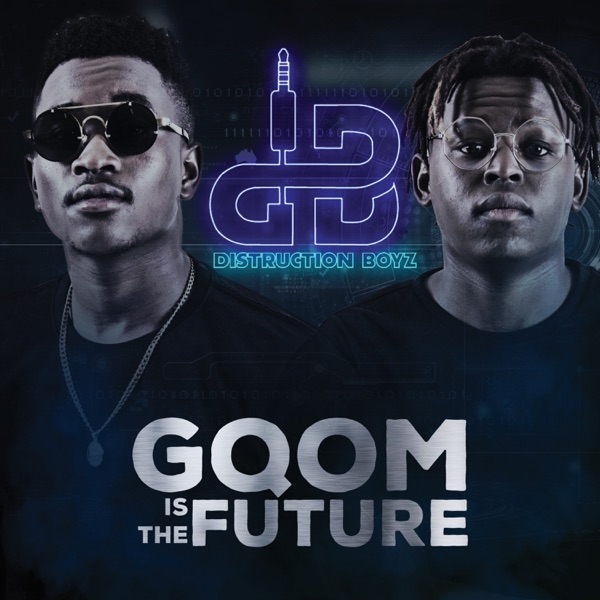
Distruction Boyz ft. Benny Maverick & Dladla Mshunqisi — Omunye album cover

Distruction Boyz ft. Benny Maverick & Dladla Mshunqisi — Omunye

Gqom

Gqom emerged from Durban with darker, minimal, percussive club energy. “Omunye” is one of the style’s defining mainstream moments.

  • Gqom developed in Durban townships with raw, repetitive, bass-heavy production that contrasted with smoother house.
  • Distruction Boyz were among the acts that pushed gqom from local dance floors into national and international attention.
  • Song note: Omunye means “another” or “someone else” in isiZulu. The viral phrase omunye phansi carries the dance-floor image of someone going down/low.
  • Lyric note: The lyrics are closer to a dance-floor trigger than a narrative: short phrases, repetition and hype designed to cue movement.
  • Performer note: Distruction Boyz helped make Durban’s gqom sound feel futuristic: sparse, heavy, repetitive and built for dance circles.
31
Blaq Diamond — Ibhanoyi album cover

Blaq Diamond — Ibhanoyi

Afro-pop

Blaq Diamond’s harmonies and Zulu lyricism represent a contemporary, melodic side of South African pop that feels both modern and rooted.

  • Blaq Diamond came through Ambitiouz Entertainment, a label associated with several major 2010s South African stars.
  • Their harmonies connect contemporary pop with older Southern African vocal traditions.
  • Song note: Ibhanoyi means “airplane” in isiZulu. The song uses flight as a romantic and aspirational image: love, escape and rising above.
  • Lyric note: The lyrics use flight as an image for love, aspiration and escape, giving the song a bigger emotional lift than a standard romance track.
  • Performer note: Blaq Diamond are a duo from Ladysmith, KwaZulu-Natal, an area with a deep choral and vocal-music history.
32
Jeremy Loops — Down South album cover

Jeremy Loops — Down South

Cape Town folk-pop

Jeremy Loops brings breezy Cape Town folk-pop with global festival appeal. It adds sunshine, travel energy and acoustic texture.

  • Jeremy Loops built a following through looping, folk-pop and festival performances rather than a traditional township-pop route.
  • His Cape Town sound gives the playlist a travel-friendly coastal contrast.
  • Lyric note: The lyrics are travel-friendly and place-conscious, matching the breezy Cape Town folk-pop feel rather than digging into heavy narrative.
  • Performer note: Jeremy Loops is known for building songs live with loop pedals, layering guitar, harmonica, beatboxing and vocals in real time.